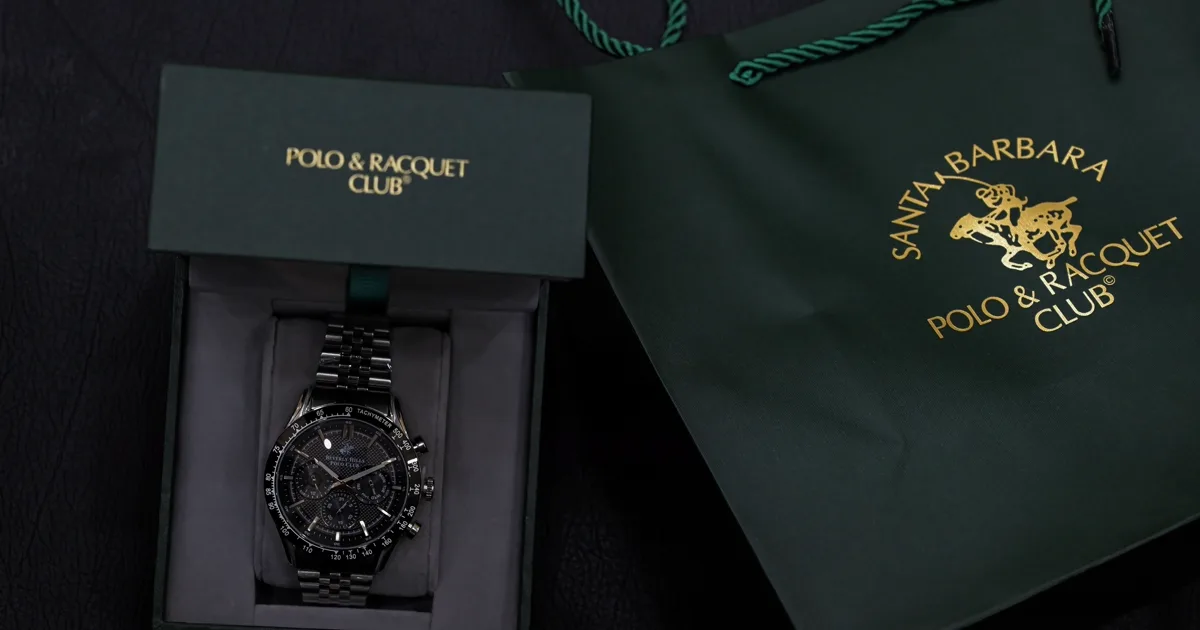
A complete "full set" — original box, warranty card (papers), booklets, and accessories — typically adds 5–15% to a luxury watch's value over the watch head alone, and more on collectible or high-value references. On a $150,000 grail, missing papers can cost more than the entire value of an entry-level Tudor; on a modern, high-liquidity Rolex the premium is smaller but still real, because buyers at that price expect a full set. This guide explains what counts, how much it adds, and when it matters most — part of the LuxMetrix guide to valuing a watch.
What counts as 'box and papers'?
"Papers" is the original warranty or guarantee card confirming the reference number and purchase date — increasingly a digital or coded card on modern watches. "Box" is the branded packaging. A full set adds the booklets, tags/hang-tags, and any accessories (extra links, a travel pouch). The card is the most valuable single element because it ties the specific watch to an authorized-dealer sale.
How much do box and papers add to value?
As a rule of thumb, a full set adds 5–15% over a watch-head-only ("naked") sale. The premium scales with the watch's value and collectibility: on common modern references it's toward the low end; on vintage, discontinued, or six-figure pieces — where authenticity is scrutinized — it can exceed 20%. LuxMetrix comps note completeness where sources report it, so a full-set example and a naked one aren't treated as identical.
When do papers matter most?
Papers matter most when (1) the watch is high-value or collectible, (2) the reference is frequently faked, or (3) provenance and production date affect desirability. Dated papers can also confirm a watch was produced before a discontinuation — relevant for a reference like the Nautilus 5711/1A. On an inexpensive, high-liquidity watch, buyers still prefer a full set but the discount for missing papers is modest.
Can you sell a watch without box and papers?
Yes — plenty of watches sell "watch only" — but usually at a discount and to a smaller pool of buyers who are comfortable relying on independent authentication. If you have the originals, keep them; if you don't, a documented service history from the manufacturer can partially offset the gap. Either way, be transparent, because completeness is one of the first things a serious buyer checks.
Frequently asked questions
How much do box and papers add? Typically 5–15%, and more on high-value or collectible references.
Can you sell a watch without them? Yes, but usually at a discount and to fewer buyers.
What counts as 'papers'? The original warranty/guarantee card confirming the reference and purchase date, plus booklets and documentation.